

Cartier – History of the Brand

Cartier is a legendary French jewelry house founded in Paris in 1847 by Louis-François Cartier. It evolved from a small workshop into a global luxury empire renowned for jewelry, watches, and perfumes worn by royalty and international celebrities.


The Beginning

1847 — Louis-François Cartier acquires the workshop of his mentor, Adolphe Picard, in Paris.
1856 — First notable client: Princess Mathilde, cousin of Napoleon III. This opens the door to European royal courts.
1874 — The business passes to his son, Alfred Cartier.

Three Brothers — Global Expansion

1899 — The company moves to the prestigious Rue de la Paix in Paris.
Louis, Pierre, and Jacques Cartier divide the business:
Louis — Paris
Pierre — New York
Jacques — London
1902 — Opening of the London store, coinciding with the coronation of Edward VII.
1904 — Cartier receives a Royal Warrant from Edward VII, who dubbed the brand “the jeweler of kings and the king of jewelers.”

Innovations and Iconic Creations

1904 — Louis Cartier creates the Santos watch for aviator Alberto Santos-Dumont—one of the world’s first wristwatches.
1906 — The Tonneau model, featuring a barrel-shaped case. 1925 — The Maharaja of Patiala commissioned the legendary Patiala Necklace, one of the most significant commissions in the history of jewelry making.
Cartier made extensive use of platinum in its jewelry, enabling the creation of refined and intricate designs.

Cartier in the 20th Century

The company served nine European royal courts.
Notable collections include “Tutti Frutti” (exotic Art Deco jewelry featuring vibrant gemstones).
Cartier became a symbol of Art Deco and of innovation in watch and jewelry design.

The Modern Era

Today, Cartier is part of the Swiss holding company Richemont.
It operates over 200 stores in 125 countries, including historic boutiques in Paris, London, and New York.
In 2020, the brand generated $6.2 billion in revenue and was listed by Forbes as one of the world’s most valuable brands.

Cartier is more than just a jewelry house; it is a symbol of luxury, innovation, and royal status. Its history blends the traditions of French jewelry craftsmanship with global influence, while its iconic creations—from the Santos watch to the Patiala Necklace—remain benchmarks of style and prestige.
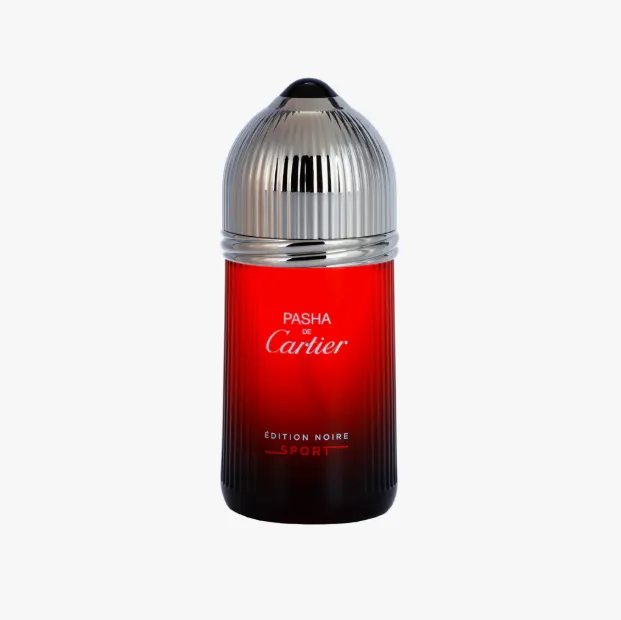
The language of fragrance is the art of self-expression.

Fragrance is an invisible accessory that speaks volumes about us—more than any piece of clothing or jewelry. It has the power to convey mood, character, and inner energy. A well-chosen perfume becomes part of one’s personal story, creating an aura of confidence and harmony. Indeed, the language of fragrance is a true art form of self-expression.

Fragrance as an extension of your image

Every scent possesses its own emotional palette. Light citrus notes evoke a sense of freshness and freedom; floral notes suggest tenderness and romance; woody notes convey strength and stability. Choosing a perfume is not merely a matter of aesthetics, but a way of communicating with the world. We leave behind a fragrant trail that shapes the impression others have of us, even after we have left their sight.

How fragrance affects emotions

It has been scientifically proven that scents are directly linked to memory and emotion. A single breath of a favorite perfume can transport us back to pleasant memories or instill a sense of calm. That is why aromatherapy is used to relieve stress, boost concentration, and restore inner balance. Fragrance is a gentle force that works subtly yet profoundly.

Individuality in choosing a perfume

A true fragrance shouldn’t just be “trendy”—it should be *yours*. What suits one person perfectly might not work at all for another. Skin chemistry, temperament, and even lifestyle all influence how a perfume unfolds. That is why it is essential to find a scent that resonates with your inner self and highlights your uniqueness. The “Language of Scent” Service: A Path to Harmony

“The Language of Scent” is a signature service designed for those seeking their perfect fragrance. It goes beyond mere perfume selection; it involves a deep exploration of your image, energy, and style. During the consultation, a specialist helps identify your personal olfactory profile and selects compositions that harmoniously blend your emotions, character, and appearance. The result is a fragrance that becomes your invisible signature—an integral part of your inner harmony and self-confidence.

Fragrance as Part of a Lifestyle

When chosen correctly, a fragrance becomes a daily ritual—a moment to focus on yourself. A drop of perfume on your wrist can remind you of your goals, dreams, and sources of inspiration. It is a way to reconnect with yourself, even amidst the whirlwind of daily life. “The Language of Scent” is not just about the aroma itself, but about the state of mind it evokes.

Fragrance is an art form that lives within each of us. It has the power to tell a story, stir emotions, and create an aura of confidence. Our “Language of Scent” service will help you discover that one unique fragrance—the ultimate embodiment of harmony and style for you.

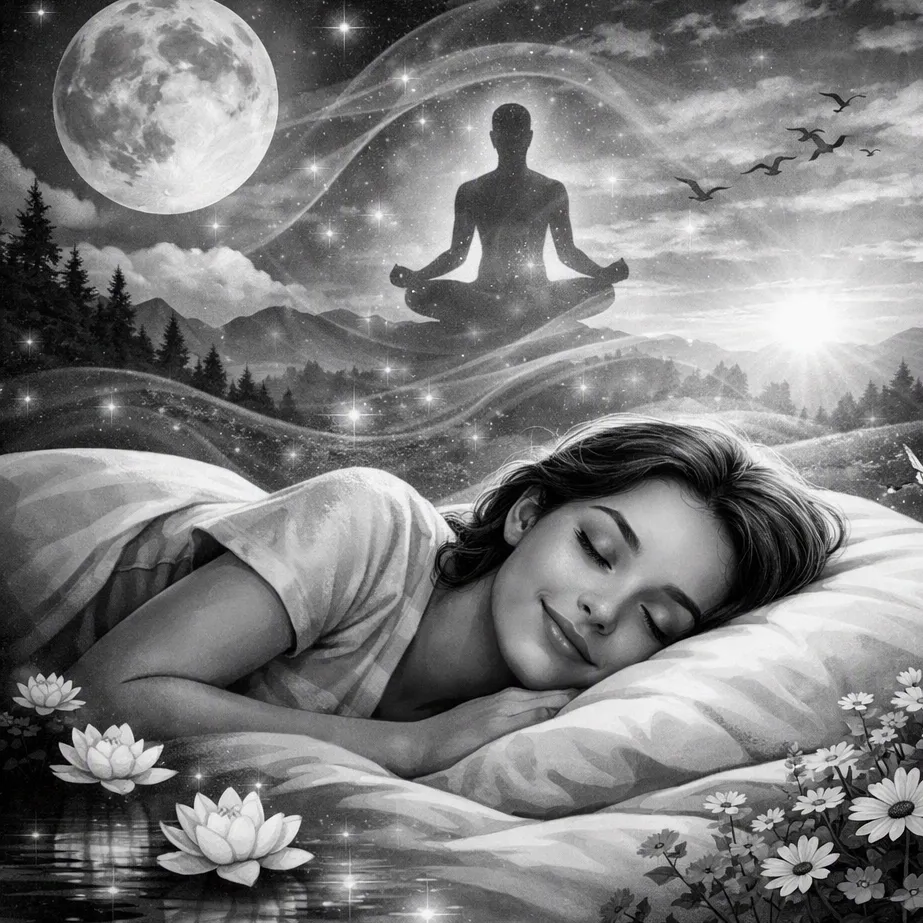
Healthy sleep is the key to good health.

Sleep is not merely a way to rest after a busy day; it is a fundamental process that determines our quality of life, energy levels, and the body’s ability to fight off illness. When we get sufficient, high-quality sleep, our bodies recover, our brains organize information, and our immune systems are strengthened. That is why healthy sleep is a cornerstone of good health and longevity.

Why is sleep so important?

During sleep, the body initiates restorative processes: cells regenerate, cardiovascular function normalizes, and hormone levels stabilize. Studies show that people who regularly sleep less than six hours a night face an increased risk of developing diabetes, hypertension, and heart disease. Furthermore, a lack of sleep negatively affects cognitive functions, including memory, concentration, and decision-making abilities.

Balancing duration and quality

The quality of sleep is just as important as the number of hours spent sleeping. Even eight hours in bed won’t guarantee recovery if the sleep is shallow or fragmented. Deep sleep phases are responsible for physical restoration, while REM (rapid eye movement) sleep supports mental health, emotional stability, and creativity. Therefore, it is essential to create an environment that fosters a complete, restorative sleep cycle.

Practical tips for healthy sleep

Consistency: Go to bed and wake up at the same time every day, even on weekends.
A comfortable environment: A quiet, dark, and cool bedroom helps you fall asleep faster. Avoiding gadgets: the blue light from screens suppresses the production of melatonin, the sleep hormone.
Physical activity: moderate daytime exercise improves the quality of nighttime rest.
Nutrition: avoid heavy meals and caffeine for a few hours before bedtime.
Sleep and Mental Health

Healthy sleep is closely linked to emotional well-being. People who get enough sleep are less likely to suffer from depression and anxiety. Sleep helps the brain “reset,” lowers stress levels, and restores inner balance. Conversely, chronic sleep deprivation can lead to emotional instability and even psychosomatic disorders.

“Sleep Standard” — Professional Help for Restoration

If you find it difficult to establish a healthy sleep routine on your own, it is worth consulting specialists. We offer the “Sleep Standard” service, designed to help restore the body’s natural rhythms and bring back quality sleep. It is a comprehensive approach that includes diagnostics, lifestyle recommendations, and practices aimed at harmonizing your inner state. This allows you to achieve not only deep rest but also a sense of energy and clarity throughout the day.

Sleep is a natural resource we often underestimate. It costs nothing financially, yet it requires discipline and attention to one’s lifestyle. If you need support, the “Sleep Standard” service serves as a reliable tool for restoring health and harmony. Healthy sleep is an investment in the future, as it grants us robust health, a clear mind, and inner balance.

Deconstruction in Fashion: A New Perspective on Everyday Wear

Deconstruction in fashion is not just about breaking forms — it’s about discovering new meanings in familiar garments. Emerging as an artistic method that brings ideas from philosophy and architecture into clothing design, it allows us to see fabric, cut, and silhouette in a completely new light.

  • Breaking Down the Form Designers use asymmetry, exposed seams, and “unfinished” details to highlight the process of creation. Clothes reveal their inner structure, turning construction itself into an aesthetic element.
  • Mixing Opposites Classic pieces are combined with sporty or utilitarian details. A dress may feature technical fabric inserts, while a coat might look as if it’s assembled from several different garments.
  • Philosophy of Freedom Deconstruction rejects rigid rules. It gives people the chance to wear clothing as a tool of self‑expression rather than just functionality. Imperfection and bold experimentation become a way to showcase individuality.
  • Everyday Wear Reimagined Today, deconstruction elements appear even in casual wardrobes: jeans with asymmetric hems, T‑shirts with raw edges, jackets with “disassembled” details. These pieces add conceptual depth and make everyday looks modern.

Deconstruction in fashion is both a challenge to tradition and an invitation to creativity. It transforms everyday clothing into an artistic artifact, where every detail matters and every outfit tells a story of freedom and the search for new forms.